Embark on a Flavorful Journey with Vegan Mediterranean Recipes
Imagine sun-drenched coastlines, the aroma of fresh herbs drifting on a gentle breeze, and tables laden with vibrant, wholesome food. This isn't just a vacation fantasy; it's the everyday reality of the Mediterranean diet, now made even more accessible and compassionate through delicious plant-based adaptations. For those seeking to infuse their kitchen with international flair and nourish their bodies with incredible flavors, vegan Mediterranean recipes offer an irresistible invitation. These dishes celebrate the bounty of the earth, proving that richness and comfort don't require animal products.
The Mediterranean way of eating has long been celebrated for its health benefits, focusing on fresh vegetables, fruits, whole grains, legumes, and healthy fats like olive oil. What’s truly remarkable is how seamlessly this lifestyle integrates with vegan principles. Many traditional Mediterranean staples are already plant-based, making the transition to fully vegan effortless and incredibly rewarding. Forget complex substitutions; with a focus on naturally occurring ingredients, you can easily enjoy everything from Greek-inspired stuffed tomatoes to hearty Italian gnocchi, all while keeping things entirely plant-powered.
The Heart of the Mediterranean: Naturally Vegan Ingredients
At the core of every delectable Mediterranean dish lies a foundation of wholesome, plant-derived ingredients. These aren't just components; they are the very soul of the cuisine, imparting distinct flavors and textures that make these meals so satisfying. When it comes to vegan Mediterranean recipes, these ingredients shine even brighter, proving their versatility and inherent deliciousness.
- Vibrant Produce: Think luscious sun-dried tomatoes, briny olives, tender artichokes, and sweet figs and dates. These fruits and vegetables provide a spectrum of tastes, from sweet to savory, and contribute essential vitamins and antioxidants. Fresh, seasonal produce is always king here, ensuring maximum flavor and nutritional value.
- Legumes and Grains: Chickpeas, black-eyed beans, and lentils are the powerhouses of plant-based protein in Mediterranean cooking. They form the basis of hearty stews, refreshing salads, and creamy dips. Alongside grains like orzo, couscous, and whole wheat pasta, they provide sustained energy and fiber, making meals incredibly filling.
- Aromatic Herbs and Spices: Garlic, oregano, basil, mint, and parsley are non-negotiable. They transform simple ingredients into culinary masterpieces, layering dishes with depth and complexity. A generous squeeze of fresh lemon juice often adds a bright, zesty finish that awakens the palate.
- The Golden Elixir: Olive Oil: Extra virgin olive oil is more than just a cooking fat; it's a fundamental flavor component and a source of healthy monounsaturated fats. Drizzled over salads, used for sautéing, or as a finishing touch, its fruity, peppery notes are unmistakable.
These ingredients not only make vegan cooking simple but also incredibly flavorful. There's no need for dairy or meat when you have such a rich palette of flavors and textures at your fingertips. The natural abundance of plant-based foods in Mediterranean culinary traditions means you're already halfway to a delicious, healthy, and satisfying vegan meal.
A Culinary Journey: Dishes from Coast to Kitchen
One of the joys of exploring vegan Mediterranean recipes is the sheer variety they offer. From light bites to comforting main courses, there's a dish for every mood and occasion, capable of transporting your taste buds straight to the shores of Greece, Italy, or Spain. These recipes don't just fill your stomach; they ignite a sense of adventure and satisfy that 'travel bug' without ever leaving your home.
Breakfast, Lunch, and Everything in Between
- Morning Delights: While not traditionally heavy on breakfast items, the Mediterranean vegan approach can inspire delightful morning meals. Think warm bowls of spiced oats topped with chopped dates, figs, and a drizzle of tahini, or savory toasts featuring creamy whipped vegan feta and blistered roasted tomatoes. A simple fruit salad with a sprinkle of walnuts or almonds makes for a light, refreshing start.
- Satisfying Lunches: For midday meals, consider vibrant black-eyed bean salads tossed with fresh vegetables, herbs, and a lemon-olive oil dressing. Hearty grain bowls featuring quinoa or farro, roasted vegetables, chickpeas, and a dollop of homemade hummus are perfect for meal prep. These dishes are often simple to assemble, making them ideal for busy weekdays.
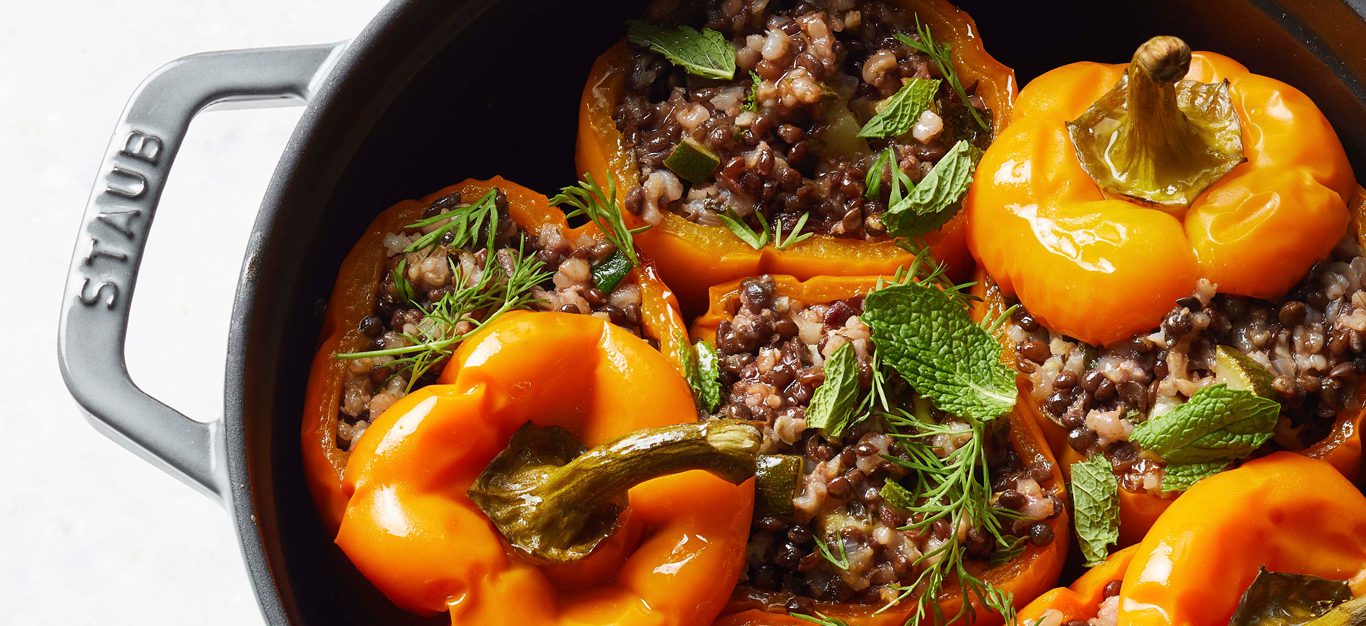
- Hearty Dinners: This is where the Mediterranean vegan diet truly shines. Imagine succulent Greek-inspired stuffed tomatoes, bursting with herbed rice and lentils, or a comforting baked orzo dish layered with rich tomato sauce and plant-based 'meat' crumbles. Simple chickpea stews simmered with garlic, tomatoes, and warming spices offer a profoundly comforting experience. Even classics like moussaka can be masterfully veganized with layers of lentils, eggplant, and a creamy plant-based béchamel sauce, creating a dish that's both rich and utterly satisfying. For more delicious ideas, don't miss vegan mediterranean recipes - Article 1, where we explore traditional staples and their plant-based twists.
- Snacks and Appetizers: Don't forget the small bites that make Mediterranean cuisine so enjoyable. Marinated olives, crisp vegetables served with a creamy hummus or baba ghanoush, or even a simple bruschetta topped with fresh tomatoes and basil are perfect for entertaining or a quick pick-me-up.
Many of these recipes are surprisingly simple, often requiring just one pot or pan, which means less time cleaning up and more time savoring the flavors. The beauty lies in the quality of the ingredients and the simplicity of their preparation, allowing their natural tastes to sing.
Mastering the Mediterranean: Tips for Your Plant-Based Kitchen
Embracing vegan Mediterranean recipes is not just about following a recipe; it's about adopting a culinary philosophy. With a few key tips and insights, you can elevate your plant-based Mediterranean cooking from good to truly exceptional, ensuring every meal is a celebration of flavor and health.
- Prioritize Fresh, Seasonal Produce: The Mediterranean diet is inherently seasonal. Shop at farmer's markets or choose produce that's in season for the best flavor and nutritional punch. Ripe tomatoes, crisp cucumbers, and fragrant herbs will make a significant difference.
- Invest in Quality Olive Oil: Extra virgin olive oil is a cornerstone. Choose a high-quality, cold-pressed variety for drizzling over salads, finishing dishes, and making vinaigrettes. Its distinct flavor is irreplaceable.
- Master Your Herbs and Spices: Don't be shy with garlic, oregano, basil, and mint. Use fresh herbs whenever possible for maximum impact. Layering these aromatics builds incredible depth without needing complex techniques. A squeeze of fresh lemon juice at the end can brighten almost any dish.
- Embrace Legumes: Chickpeas, lentils, and beans are your best friends. Keep canned varieties on hand for quick meals, but also consider cooking dried beans from scratch for superior texture and flavor. They are versatile in stews, salads, spreads, and even 'meat' substitutes.
- Discover Umami Boosters: Sun-dried tomatoes (especially oil-packed), capers, and various types of olives pack a powerful umami punch that can replace the richness often associated with meat or cheese. They add a delicious savory depth to sauces, salads, and vegetable dishes.
- Stock Your Pantry Smartly: Keep staples like good quality pasta, various grains (orzo, couscous, quinoa), canned tomatoes, vegetable broth, and tahini readily available. Having these on hand makes spontaneous Mediterranean meal creation a breeze.
- Batch Cook Basic Components: Cook a large batch of chickpeas or a pot of whole grains at the beginning of the week. These can then be quickly incorporated into salads, bowls, or stews, significantly cutting down on meal prep time.
- Get Creative with Veganizing Classics: Many traditional Mediterranean dishes can be easily adapted. Swap dairy cheese for vegan feta or mozzarella, use plant-based milk for béchamel sauce, and replace meat with lentils, mushrooms, or seasoned tofu. The spirit of the dish remains, but with a compassionate twist.
By focusing on these principles, you'll find that crafting delicious vegan Mediterranean recipes becomes intuitive and deeply satisfying. Keep exploring your culinary horizons with vegan mediterranean recipes - Article 3 for even more inspiration and advanced tips.
The Holistic Benefits of a Vegan Mediterranean Lifestyle
Beyond the undeniable deliciousness and ease of preparation, adopting a vegan Mediterranean lifestyle offers a wealth of holistic benefits that extend far beyond the dinner plate. It's a choice that supports not only personal well-being but also environmental health.
From a nutritional standpoint, these recipes are powerhouses of fiber, antioxidants, and anti-inflammatory compounds. The emphasis on whole, unprocessed plant foods naturally leads to a diet low in saturated fat and cholesterol, contributing to heart health and supporting healthy blood pressure. The abundance of vegetables, legumes, and whole grains promotes excellent gut health, which is increasingly recognized as central to overall well-being and longevity. Many people find that transitioning to this style of eating leads to increased energy levels and improved digestion.
Furthermore, choosing vegan Mediterranean recipes has a positive impact on the planet. A plant-centric diet typically requires fewer resources in terms of land, water, and energy, and it generates a significantly smaller carbon footprint compared to diets heavy in animal products. It's a sustainable way to eat that aligns with ecological consciousness.
Finally, this way of cooking is often budget-friendly. Staples like beans, lentils, grains, and seasonal vegetables are generally inexpensive, making healthy eating accessible to a wider audience. It encourages mindful consumption, creativity in the kitchen, and a deeper connection to the food we eat.
Conclusion
The world of vegan Mediterranean recipes is a vibrant, inviting realm where health, flavor, and compassion converge. By embracing the rich tapestry of plant-based ingredients – from sun-dried tomatoes and olives to hearty chickpeas and fragrant basil – you can create dishes that are not only outrageously delicious but also profoundly nourishing. Whether you're a seasoned vegan or simply looking to incorporate more plant-based meals into your routine, the simplicity, versatility, and sheer joy of Mediterranean cuisine, reimagined without animal products, offers an endless source of inspiration. So, open your pantry, gather your fresh ingredients, and let the flavors of the Mediterranean coastline transport you to a culinary paradise, one delightful, plant-powered dish at a time.
